10 Tips to Choose a Mountain Bike
Many bike enthusiasts struggle with choosing the right mountain bike, feeling overwhelmed by all the options out there. You’re not alone—finding a bike that matches your terrain, riding style, and budget can be tricky. But don’t worry, with a little guidance, you’ll be hitting the trails in no time.
To choose the right mountain bike, start by matching your usual terrain and riding style to the frame material, suspension type, and wheel size that fit your needs.
Set a clear budget including gear and maintenance costs, then prioritize quality brakes and drivetrain for safety and performance.
Make sure the frame size suits your body for comfort and control. Planning upgrades and servicing keeps your bike reliable.
Keep exploring to uncover detailed tips that make your choice easier.
Key Takeaways
- Choose a bike that matches the terrain you usually ride and your riding style. This helps you stay comfortable and in control on the trails you enjoy most.
- Before you buy, set a realistic budget that includes not just the bike but also gear, maintenance, and potential upgrades down the line.
- Pick a frame material and size that suit your weight, durability needs, and overall comfort. It makes a big difference in how the bike feels during your rides.
- Decide whether a hardtail or full suspension bike is better for you. This depends on how rough the trails are and what kind of ride you’re after.
- Don’t forget to prioritize features like hydraulic disc brakes for reliable stopping power. A wide-range drivetrain also helps you shift gears smoothly and easily.
Define Your Riding Style and Terrain
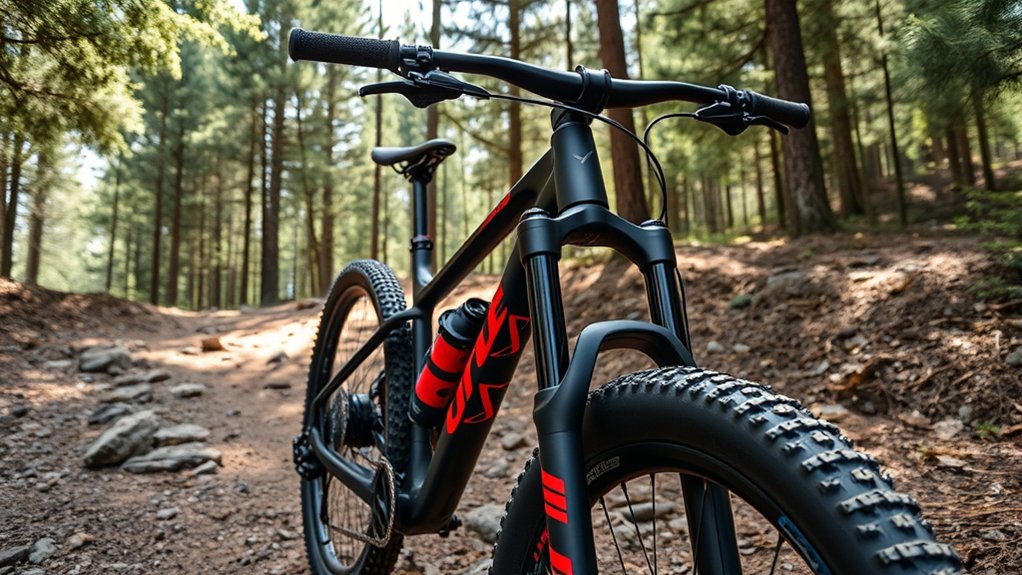
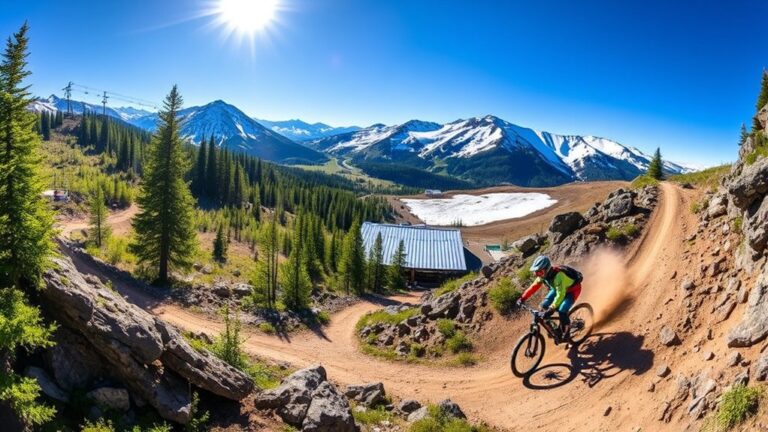
Where do you plan to ride most often? Pinpointing your usual terrain helps you pick a bike that handles well in those conditions.
If you’re hitting smooth trails or fire roads, a cross-country bike with a lighter frame and faster tires is a good fit.
Prefer rough, technical downhill runs? Look for a bike with strong suspension and durable components.
Don’t forget to think about your riding style—are you into fast climbs, aggressive descents, or all-day trail rides?
Each style needs specific bike features, like suspension travel and frame geometry.
Understanding this helps you match the bike’s capabilities to your needs, making riding more comfortable and controlled.
Defining your riding style and terrain is the first step to choosing a mountain bike that feels right every time you ride.
Set a Realistic Mountain Bike Budget
Although choosing the right mountain bike is exciting, you need to set a realistic budget before shopping. Knowing how much you can spend helps narrow your options and prevents overspending.
Think about how often you’ll ride and how serious you are about the sport. This will influence how much you value the components and features of the bike.
Remember, higher price tags often mean better materials and technology, but you don’t have to spend a lot to get a great ride.
Be sure to factor in extra costs like a helmet, gloves, and maintenance tools.
Setting a clear budget keeps you focused and ensures you get the best bike within your means.
Stick to your limits, and you’ll enjoy your new mountain bike without stressing over money.
Choose the Best Mountain Bike Frame Material
Once you’ve set your budget, the next step is choosing the right frame material for your mountain bike. The frame influences weight, durability, and how your ride feels.
Here are four common materials to consider:
Consider these four common frame materials for your mountain bike to match your riding style and budget.
- Aluminum is lightweight and affordable. It’s great for beginners and casual riders. It’s stiff but can feel a bit harsh on rough trails.
- Steel is heavier but incredibly durable and offers a smooth ride. It’s a good choice if you want a bike that lasts and absorbs trail vibrations well.
- Carbon Fiber is very light and strong, perfect for serious riders focused on performance. It’s pricier but provides excellent shock absorption.
- Titanium combines lightness, strength, and comfort but comes at a higher cost. It’s durable and resists corrosion, making it a great long-term investment.
Decide Between Hardtail and Full Suspension Bikes
You’ll want to weigh the benefits of hardtail bikes, which offer simplicity and efficiency, against full suspension models that provide extra comfort and control.
Think about the terrain you’ll ride most often. Rough trails suit full suspension better, while smoother paths favor hardtails.
Making the right choice depends on matching your bike to your riding style and trail conditions.
Hardtail Bike Advantages
Why choose a hardtail bike over a full suspension model? Hardtail bikes have several advantages that can really enhance your riding experience, especially if you’re new or focusing on specific trails. Here are four key benefits to consider:
Weight Savings: Hardtails are lighter because they don’t have rear suspension. That makes climbing hills and accelerating much easier.
Lower Cost: Since they lack the complex suspension system, hardtails are generally more affordable and easier to maintain.
Efficiency: You get better power transfer to the pedals, which is great on smoother trails and for cross-country rides.
Simplicity and Durability: With fewer moving parts, there’s less that can break, so your bike stays reliable on rough terrain.
If these factors matter to you, a hardtail might be the perfect choice for your rides.
Full Suspension Benefits
Although hardtail bikes are simple and efficient, full suspension models offer clear advantages that can boost your control and comfort on rough terrain. With both front and rear shock absorbers, they absorb impacts better, which helps reduce fatigue so you can ride longer with less strain.
This improved shock absorption also keeps your wheels in contact with the ground better, giving you more traction. That makes it easier to handle technical sections with confidence and stability. You’ll enjoy smoother descents and better handling on uneven trails, making your ride more enjoyable.
While full suspension bikes might be a bit heavier and need more maintenance, the comfort and control they provide make them a great choice if you want to push your limits and have a more forgiving ride.
Terrain Suitability Considerations
How do you choose between a hardtail and a full suspension bike for your rides? It all depends on the terrain you’ll be tackling.
Hardtails work great on smoother trails and climbs, giving you efficient power transfer and less maintenance. Full suspension bikes shine on rough, technical terrain by absorbing shocks and keeping you in control.
Think about these factors:
- Trail Type: Smooth or rolling trails are perfect for hardtails, while rocky, root-filled paths are better for full suspension.
- Ride Duration: Longer rides often feel more comfortable on full suspension bikes.
- Budget: Hardtails usually cost less upfront and need less upkeep.
- Skill Level: Beginners might prefer hardtails for simplicity, while advanced riders often choose full suspension for technical challenges.
Match your bike to your terrain for the best riding experience.
Pick the Best Mountain Bike Wheel Size and Tires
When choosing mountain bike wheels and tires, you’ll want to think about how each option affects your ride’s performance and handling. Wheel sizes usually range from 26 to 29 inches.
Smaller wheels, like 26 inches, accelerate quickly and are easy to maneuver on tight trails. Larger wheels, such as 29ers, roll over obstacles smoothly and help you maintain speed better.
Smaller wheels offer quick acceleration and nimble handling, while larger wheels smooth out obstacles and sustain speed.
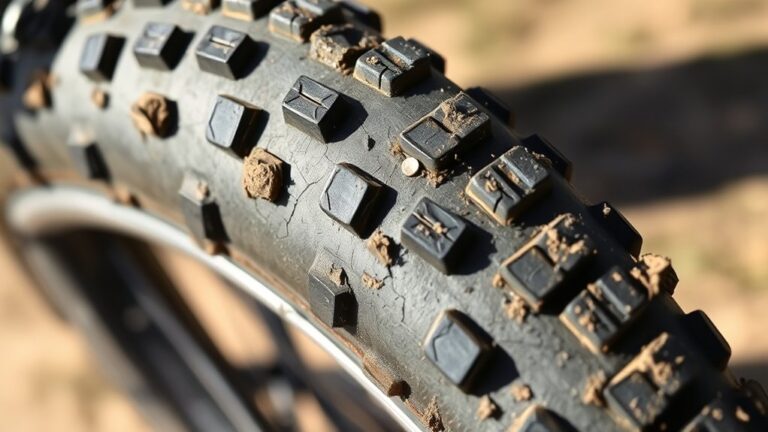
Tires come in different widths and tread patterns. Narrow tires with less aggressive tread are faster on hardpack trails, while wider tires with knobby treads give you more traction and stability on loose or rocky terrain.
Think about the type of riding you’ll do most to find the right balance between speed, grip, and control. Matching your wheel size and tire choice to your trail preferences will make your mountain biking experience better.
Understand Bike Geometry for Comfort and Control
To get the most comfort and control, you need the right frame size that fits your body.
Adjusting your handlebar and seat position can make a big difference in how you ride.
Let’s look at how these elements work together to improve your mountain biking experience.
Frame Size Importance
Choosing the right frame size is key to your mountain biking experience. It impacts how comfortably you ride and how well you can control your bike on tough trails.
A frame that’s too big or small can cause discomfort and make maneuvering harder. This can lead to fatigue or even injuries over time.
To get it right, focus on a few important factors:
- Stand over height: Make sure there’s enough clearance between you and the top tube when you’re standing over the bike.
- Reach: Check the horizontal distance from your saddle to the handlebars so you’re not overstretching.
- Top tube length: Longer tubes give you more stability, while shorter ones boost agility.
- Stack height: This affects your riding posture and comfort, especially on long rides.
Choosing the correct frame size helps ensure a smoother, safer ride.
Handlebar and Seat Position
Adjusting your handlebar and seat position directly affects how well you control your bike and how comfortable you feel during rides. Start by setting your seat height so your leg is almost fully extended at the bottom of the pedal stroke. This maximizes power and reduces knee strain.
Next, position the handlebars at a height that feels natural. Higher bars offer more comfort and better control on technical trails, while lower bars improve aerodynamics for faster rides. Don’t forget to adjust the seat angle—keeping it level or slightly tilted forward helps prevent discomfort.
Proper handlebar width should match your shoulder width. This helps maintain stability without sacrificing agility. By fine-tuning these positions, you’ll improve your riding efficiency and enjoy longer, more comfortable mountain biking sessions.
Evaluate Brake and Drivetrain Quality for Performance
When you evaluate a mountain bike’s brakes and drivetrain, you directly impact your control and efficiency on the trail. Strong, reliable brakes ensure you can stop quickly and safely, while a smooth drivetrain provides consistent power transfer. Here’s what to focus on:
- Brake Type: Go for hydraulic disc brakes for better modulation and stopping power in different conditions.
- Brake Maintenance: Check if the components are easy to service and if the pads last longer.
- Drivetrain Gearing: Choose a wide gear range to handle steep climbs and fast descents with ease.
- Shifting Performance: Make sure gear changes are crisp and accurate without slipping or hesitation.
Test Ride Bikes to Find Your Perfect Fit
Although specs and features give you a good idea of a bike’s potential, nothing beats taking it for a test ride to see how it feels on the trail. When you ride, pay attention to the bike’s comfort, handling, and responsiveness.
Check how the frame size fits your height and reach. Your knees shouldn’t feel cramped, and you should easily reach the handlebars. Notice how smooth the suspension feels and if the brakes respond immediately when needed.
Try riding on different terrains to see how the bike performs uphill, downhill, and on rough sections. Don’t hesitate to test several models so you can compare. A test ride helps you find the bike that feels natural and matches your riding style.
This way, you’ll enjoy every ride and stay confident on any trail.
Plan Upgrades and Maintenance Costs for Your Bike
You’ll want to budget for parts and upgrades to keep your bike performing well. Regular servicing helps catch issues early and saves you money in the long run.
Make a maintenance schedule to stay on top of everything without stress.
Budget for Parts
Setting a clear budget for parts helps you plan upgrades and maintenance without breaking the bank. Knowing how much you can spend means you can prioritize essential components and avoid costly surprises. When budgeting, consider the following:
- Identify Priority Parts – Focus on upgrades that boost performance or durability, like tires or suspension.
- Research Prices – Compare costs across brands and stores to find quality parts that fit your budget.
- Factor in Wear and Tear – Budget for replacements like brake pads or chains that wear out regularly.
- Set Aside a Contingency – Reserve a small amount for unexpected repairs or upgrades that might come up.
Schedule Regular Servicing
Once you’ve allocated your budget for parts, it’s important to schedule regular servicing to keep your bike running smoothly and extend the life of those components. Regular maintenance helps you catch wear and tear early, preventing costly repairs down the line.
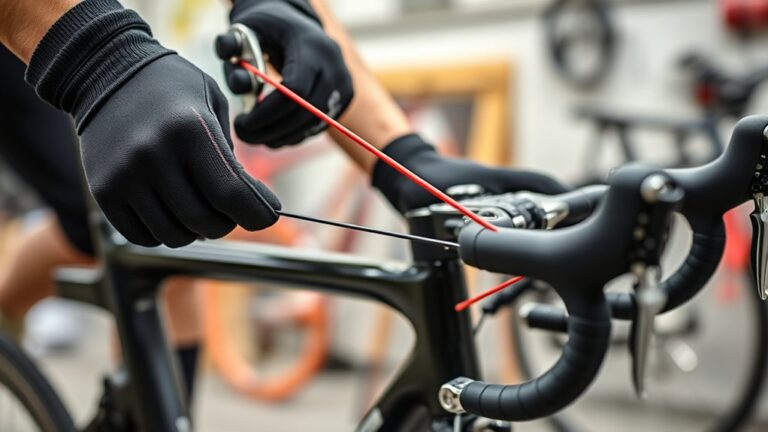
Set reminders for routine checks like brake adjustments, chain lubrication, and tire pressure. If you ride frequently or in tough conditions, consider increasing how often you service your bike.
Plan for annual professional tune-ups to address issues beyond basic upkeep. Don’t forget to include maintenance costs in your overall budget so you’re ready for unexpected repairs or upgrades.
Staying on top of servicing not only boosts your bike’s performance but also guarantees safety on the trail. This way, you can enjoy every ride with confidence.
Make Your Final Mountain Bike Choice With Confidence
Before you make your final mountain bike choice, gather all the info you’ve learned about frame types, suspension, and wheel sizes. Then, focus on narrowing down options that match your riding style and budget.
Take your time—confidence comes from understanding what works best for you.
Here’s how to lock in your decision:
- Test ride a few models to get a feel for the differences firsthand.
- Check the bike’s components for durability and how easy they are to maintain.
- Think about your local terrain and choose a bike designed for those conditions.
- Keep your future riding goals in mind to make sure the bike will grow with you.
Frequently Asked Questions
How Do I Transport My Mountain Bike Safely?
To transport your mountain bike safely, secure it using a sturdy bike rack designed for your vehicle. Make sure the tires are inflated and the bike is clean to prevent damage.
Remove any loose accessories, like water bottles or pumps, so you don’t lose them during transit. Use padding or straps to protect the frame from scratches and keep the bike stable while you’re driving.
Double-check everything before you hit the road to ensure a safe journey.
What Are the Best Accessories for Night Riding?
Did you know that over 70% of cycling accidents happen in low light?
For night riding, you’ll want a powerful front light with at least 800 lumens and a bright rear red light for visibility.
Reflective gear and spoke lights help increase your visibility from all angles.
Don’t forget a helmet light and a backup battery pack.
These accessories will keep you safe and confident when you ride after dark.
How Do I Clean My Mountain Bike After Muddy Rides?
After a muddy ride, start by rinsing your mountain bike with a gentle spray of water to loosen dirt. Avoid high pressure to protect bearings.
Use a bike-specific cleaner and a soft brush to scrub the frame, drivetrain, and wheels. Pay attention to the chain and gears, then rinse thoroughly.
Dry your bike with a clean cloth and apply lubricant to the chain to prevent rust. Regular cleaning keeps your bike running smoothly.
Can I Use My Mountain Bike for Commuting?
Absolutely, you can use your mountain bike for commuting—but there’s a catch. Mountain bikes are built for rough trails, so they might feel slower on pavement compared to road bikes.
They offer great durability and control, especially if your route includes rough patches or bad weather.
You might want to swap in smoother tires for efficiency and add accessories like fenders and lights.
With a few tweaks, your mountain bike can become a reliable commuter.
What Are Common Mountain Biking Safety Tips?
You should always wear a helmet and protective gear like gloves and knee pads to stay safe. Check your bike’s brakes, tires, and gears before every ride.
Stick to trails that match your skill level and ride with a buddy when you can. Keep your speed under control, watch for obstacles, and stay alert.
Carry a first aid kit and plenty of water so you’re prepared for any situation. Being ready helps you stay safe and enjoy your ride more.
Conclusion
Now that you’ve checked out all the key factors—from frame materials to suspension types—you’re almost ready to pick your mountain bike.
But before you make a final decision, take a moment to imagine your first ride: the thrill, the challenges, the feeling of freedom. That image will help you more than any technical specs.
Trust your instincts, go for a test ride, and you’ll soon find the mountain bike that’s perfect for you. Your adventure is just a decision away, so choose the bike that excites you the most.