8 Facts You Should Know About Putting Pegs on a Mountain Bike
Are you looking to take your mountain biking skills to the next level but feeling stuck on how to improve your tricks and control? You’re not alone—many riders struggle to find ways to boost stability and confidence on their bikes.
Adding pegs to your mountain bike can be a game-changer, helping you grind rails and execute tricks more easily.
Adding pegs to your mountain bike can boost your control, stability, and trick skills. Choose pegs based on material, with options like aluminum, steel, or plastic, and pick a size that suits your riding style.
Proper installation is key—remove axles, slide on the peg, and tighten securely. Regular maintenance prevents accidents.
If you want to learn how pegs can help you grind rails and improve your tricks, keep exploring these essential tips.
Key Takeaways
– Choose pegs made from suitable materials like aluminum or steel, depending on the terrain and your riding style.
It’s important to pick the right material so the pegs can handle the kind of riding you’ll be doing.
– Make sure the pegs are compatible with your bike’s axle type before installing.
Different bikes have different axle standards, so double-check to avoid any fitting issues.
– Regularly inspect and tighten the pegs to prevent loosening or damage during rides.
A quick check before riding can save you from surprises later on.
Loose pegs can be dangerous and might break during tricks or rough terrain.
– Use proper tools and follow installation steps to mount the pegs securely without damaging your bike.
Taking your time with the installation helps ensure everything stays in place.
Using the right tools prevents stripping or damaging components.
– Wear protective gear and check the terrain safety before attempting tricks with pegs.
Safety first! Always be aware of your surroundings and gear up to avoid injuries.
What Types of Pegs Are Best for Mountain Biking?
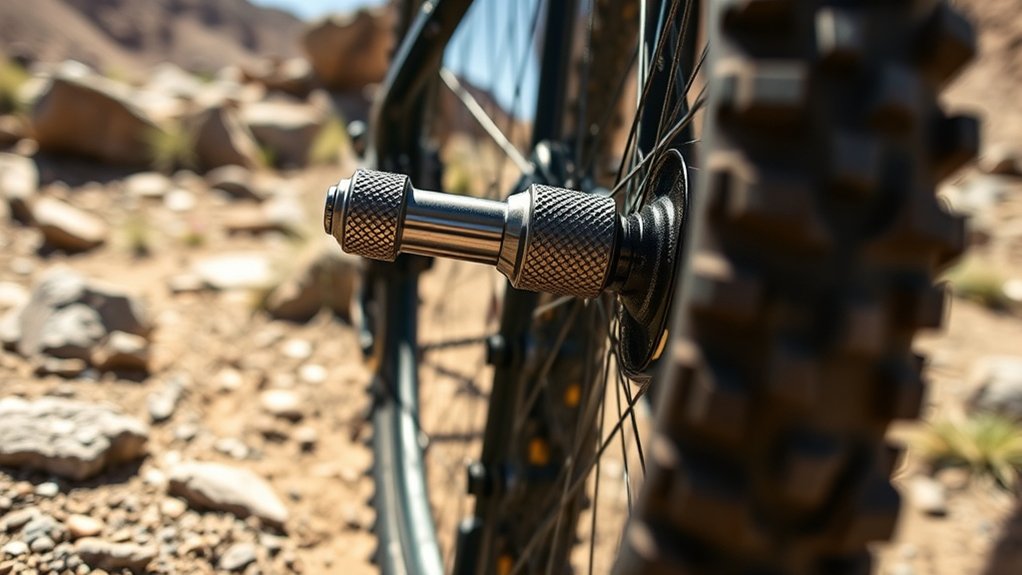
When choosing the best pegs for mountain biking, it’s important to think about the type of riding you’ll be doing. If you enjoy smooth trails and technical tricks, lightweight aluminum pegs are a great choice—they’re durable and easy to maneuver.
For rougher terrains or more aggressive riding, steel pegs provide extra strength and stability, though they are a bit heavier. Plastic pegs are perfect for beginners or casual riders since they’re inexpensive and less likely to cause damage if they hit the ground.
Don’t forget to consider the shape and size of the pegs. Longer pegs give you more surface area for tricks, while shorter ones are better for quick placements. Ultimately, your riding style and terrain will help you pick the best pegs to enhance your mountain biking experience.
How to Install Pegs on Your Mountain Bike
Installing pegs on your mountain bike is pretty straightforward, but it’s important to follow the right steps to make sure they stay secure during your rides. First, pick the correct pegs that match your bike’s axle type.
Next, remove the axle nuts or quick-release skewer. Slide the peg onto the axle, making sure it lines up with the dropout. Then, tighten the axle nut or skewer securely to hold the peg in place.
Remove axle nuts or skewer, slide on the peg, then tighten securely for a stable ride.
Use a wrench to tighten everything properly, but be careful not to over-tighten, which could damage parts. The key is making sure the peg is snug and won’t loosen when you’re riding.
Remember to use the right tools to prevent damage and ensure a tight fit. Always check that the peg is aligned correctly for stability and safety.
Tighten everything securely so the pegs won’t come loose during rides. Regularly inspect your pegs to keep things safe and working well.
Finally, follow your manufacturer’s specs to make sure you’re installing everything properly.
Choosing the Right Length and Material for Your Pegs
When choosing your pegs, think about balancing durability and weight. Stronger materials last longer but can be a bit bulkier.
Make sure the length fits your riding style and the tricks you want to do. It’s all about what feels right for you.
Also, double-check that the material works well with your bike frame. You want a secure fit so everything stays in place.
Material Durability and Weight
Choosing the right material for your mountain bike pegs is key to balancing durability and weight. Aluminum is popular because it’s strong but lightweight, making it great for riders who want agility and endurance.
Steel is heavier but much more durable, which is perfect for rough terrains and frequent use. Titanium offers a good middle ground, combining strength and lightness, though it can be more expensive.
Think about how often you’ll ride on tough trails versus smoother surfaces. Lighter materials help with handling and reduce fatigue, but might wear out faster. Heavier options last longer but can affect maneuverability.
Ultimately, your riding style and terrain should guide your choice. This way, your pegs will stand up to the demands without hurting your bike’s performance.
Compatibility With Bike Frame
Selecting the right length and material for your mountain bike pegs depends heavily on your bike’s frame and design. You need to confirm the pegs fit securely without interfering with your bike’s components or suspension.
Check your frame’s clearance and mounting points to avoid any damage or instability. Some frames have narrow or irregular surfaces, so choose pegs that match these dimensions.
The material should also complement your bike’s construction. For example, aluminum pegs suit lightweight frames, while steel offers durability for heavier builds. Compatibility also involves considering bolt size and threading.
If your bike frame isn’t designed for pegs, you might need adapters or custom mounts. Always verify compatibility to ensure safe, reliable performance during your rides.
How Pegs Can Help You Grind Rails and Master Tricks
Pegs give you extra stability when performing tricks, making it easier to stay balanced on rails. They also help you control your grind better, so you can slide smoothly and confidently.
With the right pegs, you’ll find it easier to master tricky maneuvers and pull off clean tricks. They really make a difference in your riding skills.
Enhanced Stability for Tricks
When you add pegs to your mountain bike, you get more stability, making tricks way easier to master. They give you a more balanced platform, so landing jumps and tricks feels more confident.
Pegs give you extra contact points, helping you control your bike during tricky maneuvers. This stability is especially useful for technical tricks that need precise balance.
With pegs, shifting your weight smoothly and staying in control through tough sections becomes simpler. They also boost your confidence, pushing you to try more advanced tricks.
Increased Grinding Control
Using pegs on your mountain bike really boosts your ability to grind rails and slides with confidence. They give you precise control over your bike’s positioning, making tricky tricks feel smoother and more natural.
With pegs, you can:
- Maintain balance easily during long grinds, helping to reduce slips and falls.
- Adjust your weight instantly for better control on tough surfaces.
- Push your limits by trying new tricks, knowing you’re stable enough to land them confidently.
Pegs act as extensions of your bike, offering support and stability exactly where you need it. This extra control not only builds your confidence but also helps you master challenging tricks with finesse.
Ultimately, pegs give you the power to grind more confidently and take your riding skills to the next level.
Safety Tips for Using Pegs on Mountain Bike Trails
To stay safe while riding with pegs on mountain bike trails, make sure you wear proper protective gear and stay alert to your surroundings. Always helmet up, and consider gloves and knee pads to protect against falls.
Keep an eye out for obstacles like rocks, roots, or uneven terrain that can cause you to lose control. Practice slow, controlled movements before trying tricks or riding at high speeds.
Be mindful of other trail users, giving way when needed, and avoid crowded areas. Make sure your pegs are securely attached to prevent accidents.
Stay focused on your riding, especially when performing tricks or navigating tricky sections. Prioritizing safety will help you reduce risks and enjoy your ride more confidently.
Common Mistakes to Avoid When Adding Pegs
Adding pegs to your mountain bike can improve tricks and style, but rushing the process often leads to mistakes. First, don’t overlook proper placement; installing pegs too close to the frame can cause imbalance and make tricks harder.
Second, avoid using the wrong hardware. Cheap bolts may loosen or break, which can risk injury. Always use quality hardware to keep everything secure.
Finally, don’t ignore your bike’s weight distribution. Adding pegs incorrectly can throw off your balance, making tricks unsafe. Take your time during installation, double-check your tools, and test your setup in a safe environment.
Rushing can lead to dangerous falls, damaged equipment, or compromised control. Focus on precision and quality to make sure your pegs help your riding rather than hinder it.
Proper preparation prevents accidents, so don’t cut corners.
How to Maintain and Replace Your Mountain Bike Pegs
Regular maintenance and timely replacement of your mountain bike pegs guarantee they stay secure and perform at their best. Start by inspecting your pegs regularly for signs of wear, cracks, or looseness.
Regular checks and timely replacements ensure your bike pegs stay secure and perform optimally.
Tighten any loose bolts with the appropriate Allen wrench or socket tool, making sure they’re snug but not over-tightened. Clean your pegs with water and a brush to remove dirt and debris, which can cause corrosion or damage.
If a peg shows significant wear, cracks, or if it’s become loose despite tightening, replace it immediately. Choose matching or compatible pegs for your bike and install them securely by tightening all bolts evenly.
Proper maintenance and prompt replacement keep your pegs reliable, safe, and ready for your next adventure.
Tips to Improve Your Skills With Mountain Bike Pegs
Mastering the use of mountain bike pegs takes practice and a strategic approach. To improve your skills, focus on these key tips:
- Start slow. Practice balanced tricks on flat terrain before moving on to drops or rails. Building control first makes a big difference.
- Observe and learn. Watch experienced riders and try to mimic their movements. It’s a great way to refine your technique.
- Consistent practice. Ride with your pegs often, pushing your limits gradually. This helps build confidence and control over time.
Frequently Asked Questions
Are Pegs Legal to Use on All Mountain Bike Trails?
Pegs are not legal on all mountain bike trails. You should always check local trail regulations before riding, as some trails prohibit pegs due to safety or conservation concerns.
Using pegs where they’re not allowed can lead to fines or trail bans. Always respect the rules and trail signage to ensure everyone has a safe and enjoyable experience.
If you’re unsure, ask local authorities or fellow riders. It’s better to be safe and follow the rules than risk penalties or damaging the trail.
Can Pegs Damage My Mountain Bike Frame or Components?
Like a double-edged sword, pegs can both improve tricks and pose risks. They can cause damage if you’re not careful, especially to your bike’s frame and components.
Striking the right balance is key; make sure your bike is reinforced and check for compatibility. Regular maintenance and cautious riding help minimize potential harm.
If you’re mindful, pegs won’t turn your ride into a fragile house of cards.
How Do Pegs Affect My Bike’s Weight and Handling?
Adding pegs makes your bike heavier, which can slow you down and make climbing more effortful. They also change how your bike handles by shifting weight around, especially when jumping or doing tricks.
You might notice less agility and more difficulty steering, especially at high speeds or on tricky terrain. Before installing pegs, think about how the extra weight and handling changes will affect your riding style to stay in control.
Are There Specific Brands Recommended for Durable Mountain Bike Pegs?
Yes, some brands are known for durable mountain bike pegs. You should check out Odyssey, MXS, and Primo because they offer strong, well-made pegs that can handle rough riding.
These brands use high-quality materials like chromoly steel, which guarantees longevity and resistance to damage. When choosing pegs, think about your riding style and terrain to find the best fit.
Investing in reputable brands helps ensure you get durable, reliable pegs that perform well on tough trails.
What’s the Best Way to Practice Tricks With Pegs Safely?
Think of practicing tricks with pegs as gently dancing with your bike, respecting its boundaries. To do it safely, start on smooth, flat ground to build confidence. Wear protective gear like gloves and pads, and practice controlled movements.
Progress gradually by mastering balance and small tricks before trying more complex maneuvers. Stay aware of your surroundings and don’t rush. Patience is key to enjoying riding safely and improving steadily.
Conclusion
Adding pegs to your mountain bike can totally change how you ride, making tricks like grinding rails easier and more fun. Imagine hitting a trail and confidently sliding across a rail that once looked impossible—that’s what well-installed, durable pegs can do for you.
Just remember to pick the right type of pegs, install them properly, and stay safe while riding. With some practice and care, you’ll unlock new skills and enjoy your mountain biking adventures even more.
So, gear up and take advantage of adding pegs to your mountain bike to elevate your riding experience and master new tricks.